Everything you need to know about recycling batteries
Recycling Single-use Batteries includes:
Batteries - Handheld
6V battery
9V battery
AA battery
AAA battery
AAAA battery
Alkaline handheld battery
Button battery
C battery
D battery
Handheld battery
Lithium handheld battery
Rechargeable battery
Single-use battery
FIND A RECYCLER
Learn more about recycling batteries


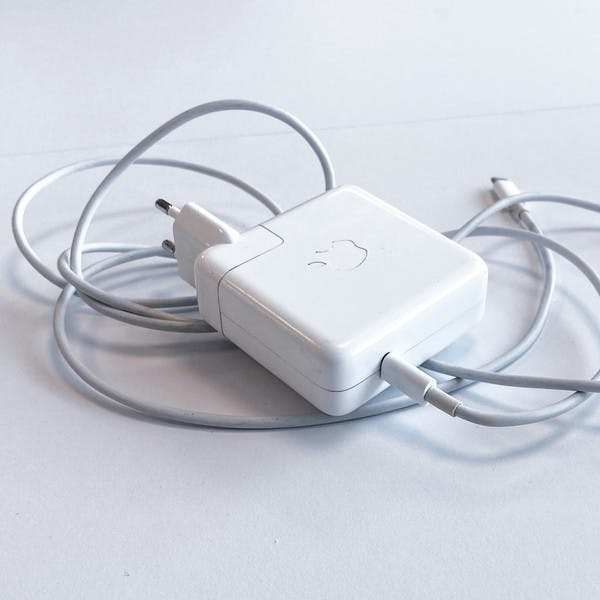
How to recycle batteries at work
Some commercial operators offer national collection services for the recycling of alkaline, lithium and button cell batteries for businesses and workplaces. These operators generally provide a collection box for batteries, which, once full, can be collected. Carbon zinc batteries are considered non-toxic waste and are safe for disposal in the normal municipal waste stream.
Other recycling options
- Planet Ark offers a safe and secure collection box through Batteries 4 Planet Ark that is available nationwide. The box costs $99.95 including GST, which includes pick up by courier.
- Small businesses with small quantities of batteries to dispose of (i.e. a handful of batteries) can use Australia’s national recycling scheme for batteries, B-cycle.
Why recycle?
There is a wide range of battery types, many of which contain toxic metals such as cadmium, mercury and lead. Others contain valuable materials like magnesium and zinc.
Recycling batteries keeps toxic materials out of landfill where they can contaminate the soil and groundwater. It also ensures the valuable materials in batteries are recycled into something new, which reduces the amount of finite natural resources used in the production of new batteries.
What happens to them?
Batteries that are recycled are processed to recover the plastics and metals, some of which are used to manufacture new batteries.
Ecobatt are one of Australia's most advanced battery recycling facilities. Using robotics and precision sorting, Ecobatt safely serparates and processess batteries to recover valuable metals for reuse in manufacuturing applications - from fertilizers and steel production to future battery materials.
How to prevent fires
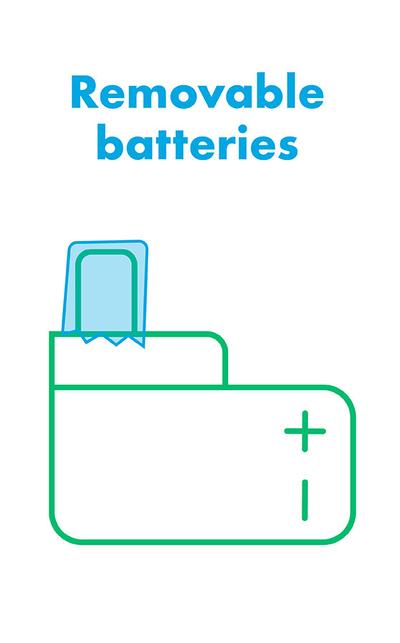
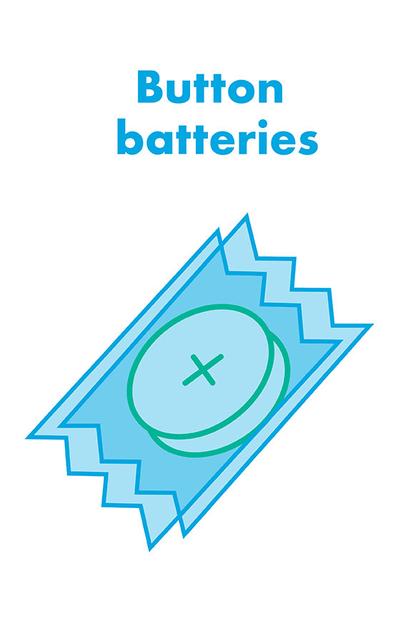
Even dead batteries have some residual charge, so it is very important to place sticky tape around the battery terminal before recycling them. A battery terminal is the electrical connection point of the battery. They are located in different areas depending on the type of battery (at both ends of regular batteries, for example).
Tape your terminals
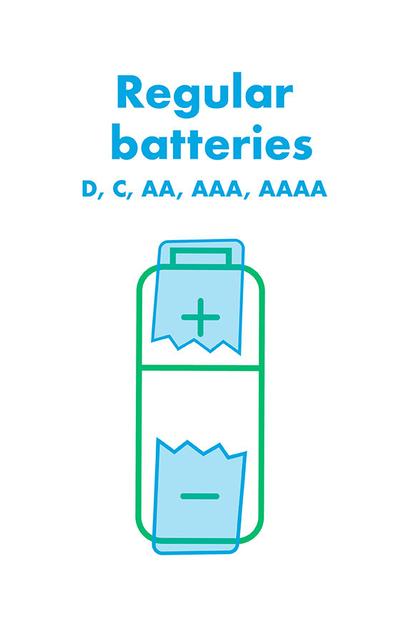
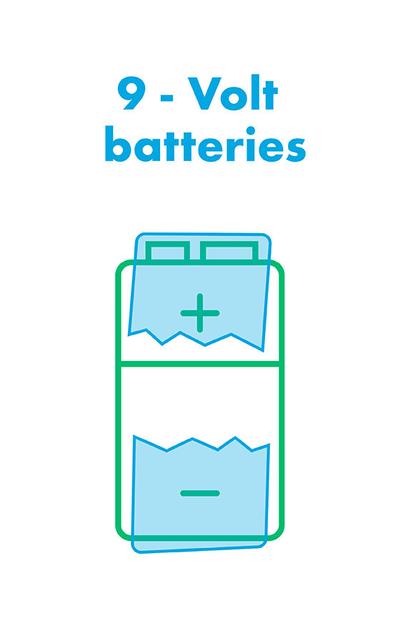
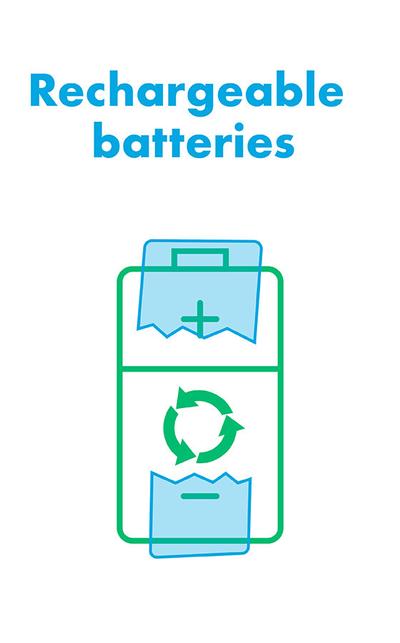
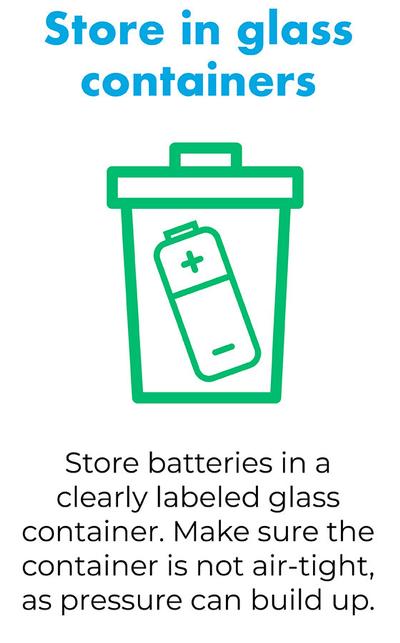
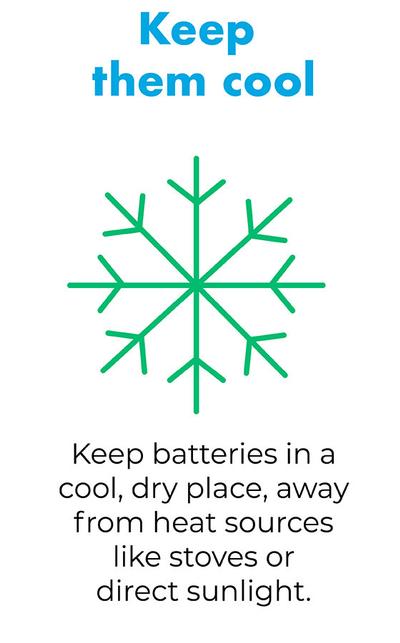
How to safely store your batteries


Battery types
Single-use batteries are usually alkaline batteries with zinc, manganese or lithium chemistry. Rechargeable batteries are commonly nickel-cadmium, nickel-metal hydride or lithium-ion. Rechargeable batteries are found in the same shapes and voltage as single-use batteries, as well as specifically designed for laptops, mobile phones and electronic equipment.
Buying rechargeable batteries is a great way to reduce battery waste. Each battery can be recharged up to 1000 times, saving you money and reducing pollution from discarded batteries. Many retailers sell battery rechargers, which conveniently take less than 15 minutes to recharge.
Recycling other types of batteries
Mobile phone batteries
Mobile phone batteries are accepted by MobileMuster, with thousands of recycling locations located across the country.
Computer batteries
Computer batteries can be recycled through an accredited recycler of the National Television and Computer Recycling Scheme.
Find out more
Car batteries
Car batteries can be recycled at many garages, transfer stations and waste management centres.
Frequently Asked Questions
How to dispose of batteries
Batteries should never be put in recycling or garbage bins at home or work. They are hazardous items that must be disposed of responsibly.
Australia has a national recycling scheme for common household batteries, with thousands of drop-off locations across the country for households. Workplaces with large quantities should recycle batteries through a commercial recycling service or organise a collection box through Batteries 4 Planet Ark.
Where can I recycle batteries?
Australia has a national recycling scheme for common household batteries, with thousands of drop-off locations across the country for households. Workplaces with large quantities should recycle batteries through a commercial recycling service or organise a collection box through Batteries 4 Planet Ark.
What’s in a battery?
Batteries are made from a range of materials, including chemicals, metals, paper, and plastics. The chemicals used differ by battery type. For example, single-use alkaline batteries contain zinc, manganese dioxide, and potassium or sodium hydroxide. Single-use lithium batteries contain manganese dioxide, graphite, and lithium salts in an organic solvent.
Luckily, most battery components can be easily separated and recycled. However, as the chemicals may leach into the environment (or cause a fire) if not handled correctly, it’s important to dispose of your batteries responsibly.
What is a lithium battery?
Lithium batteries are the most common single-use batteries and may be AA, AAA, C, D, 9-volt, or button batteries. They’re often used in torches, cameras, toys, and fire alarms. Lithium batteries can give off a large surge of energy even after a period of low discharge, which is why they’re used in medical devices, fire alarms, and security systems. In contrast, single-use alkaline batteries lose strength over time.
Unlike single-use lithium batteries, lithium-ion batteries are rechargeable and are used in most portable electronics, including laptops and mobile phones.
Can lithium batteries be recycled?
Single-use lithium batteries and rechargeable standard-size lithium-ion batteries can be recycled, but not via your household recycling bin. Use the information above on this page to find a recycling service near you.
What are batteries made of?
Batteries are made from a range of materials, including chemicals, metals, paper, and plastics. The chemicals used differ by battery type. Luckily, most battery components can be easily separated and recycled. However, as the chemicals may leach into the environment (or cause a fire) if not handled correctly, it’s important to dispose of your batteries responsibly and not put them in your household bins. Use the information above on this page to safely recycle your batteries.
How are batteries recycled?
Batteries can be recycled, but only through a special recycling program and not via your household recycling bin. The process used to recover the materials differs by battery type.
Regular household batteries (such as AAA, AA, C, D, and 9-volt batteries) can be taken to a local collection point – use the information above on this page to find your nearest locations.
When alkaline batteries are recycled, they are mechanically separated into their different components – including zinc, manganese concentrate, steel, paper, plastic, and brass fractions. These are then sold on for reuse in new products.
When household single-use lithium batteries are recycled, they are broken into their components via a high-speed hammer, and these are then submerged in a neutralising solution. The metal components are recovered and sold to scrap metal recyclers. The Carbon is also recovered.
When lithium-ion batteries are recycled (such as those in laptops and mobile phones), the components are mechanically separated in a special oxygen-free environment (end products include Cobalt and Lithium salt concentrate, stainless steel, copper, aluminium, and plastic). Each of these materials are then sold for reuse in new products.
Laptop batteries can be recycled via the National Television and Computer Recycling Scheme. Mobile phone batteries can be recycled via MobileMuster.
When you drop your old car batteries off for recycling, they are broken apart in a hammer mill, and the metals are then separated from the plastics.
Can button batteries be recycled?
Yes, button batteries can be recycled through our national battery recycling program, B-cycle. They should never be put in household recycling or garbage bins. Button batteries can be dropped off for recycling at one of the many collection points across the country.
Workplaces with large quantities of button batteries should recycle them through a commercial recycling service or organise a collection box through Batteries 4 Planet Ark.
How to dispose of laptop batteries
Batteries found in computers and laptops can be recycled through the National Television and Computer Recycling Scheme. There are drop-off points located across the country.